8 Ways to Stop
Back, Sciatica, & Right Leg Pain While Driving
Everyone spends a lot of time driving.
Commuting to and from work, running errands or going to special events, we spend all that time getting stuck in the car seat.
And what comes with all that time sitting behind the wheel?
To some, it's just discomfort, but in most cases, leg pain occurs, especially in the right leg.
Why Is It the Right Leg?
It’s because your right leg does most of the work when you drive—constantly pressing the pedals—and over time, that strain can lead to stiffness and soreness, especially during long trips without breaks.
If your job involves a lot of driving—like working as a truck driver, delivery driver, or bus operator—you’re likely all too familiar with the aches and discomfort that come from spending hours behind the wheel.
But even if you're retired or semi-retired, regular activities like road trips, running errands, or driving to doctor’s appointments can take a toll on your legs and lower back too.
Luckily there are ways to relieve that pain and help prevent it without having to see a specialist doctor.
What Causes Pain in Your Right Leg While Driving
Leg pain occurs when the nerves in your back and legs are pinched or compressed for long periods of time.
Incorrect posture in a chair, or something pressing against those nerves for a prolonged period can cause numbness and pain.
Often times, seats in your car are not designed for ergonomic positioning while driving.
For most drivers, it’s difficult to fully stretch your legs while behind the wheel, and adjusting the seat to get proper back support can be just as challenging.
Your right leg often bears the brunt of driving, constantly working the brake and accelerator—especially if your car doesn’t have cruise control.
Without cruise control on long drives, your legs—especially the right one—can become stiff and cramped from staying in the same position for too long.
Over time, this lack of movement can cause your entire leg to ache or even cramp up.
Lower Back Pain While Driving
While right leg pain is common for drivers, lower back pain is just as frustrating—especially when your seat isn’t doing your spine any favors.
The problem often starts with your posture.
Standard car seats are designed for general comfort, not long-term support, and they rarely match your body's natural alignment.
Over time, sitting in this misaligned position puts excessive pressure on your lower back muscles and spine.
Combine that with road vibrations and the lack of lumbar support, and it’s no surprise your back starts aching an hour into the drive.
Lower back pain while driving is usually a sign that your spine isn’t being properly supported, and your core muscles are doing extra work to stabilize your body.
This can often lead to:
-
Persistent dull aches in the lumbar area
-
Muscle fatigue and tightness after long trips
-
Pain that radiates down into the hips or legs (sometimes mimicking sciatica)
-
Poor circulation and stiffness from staying locked in the same position
Simple Adjustments That Help:
Here are a few changes that can make a big difference:
-
Adjust your seat tilt – Aim for your hips to be level with or slightly above your knees. This takes pressure off your spine.
-
Add a wedge cushion – Using a high-density, ergonomic wedge like the ComfiLumba Wedge Cushion, to elevate your hips slightly and support the natural curve of your spine can ease lower back strain dramatically.
-
Sit with your back fully against the seat – Avoid slouching forward or letting your back arch away from the seat.
Making small changes to your seat setup—and supporting your lower back properly—can go a long way in keeping your spine comfortable on the road.
Sciatica Pain While Driving
Your right leg will take the brunt of the pain caused by driving for long distances.
Your knees and hips are held at a specific angle for long periods of time, causing tension in the muscles throughout your legs.
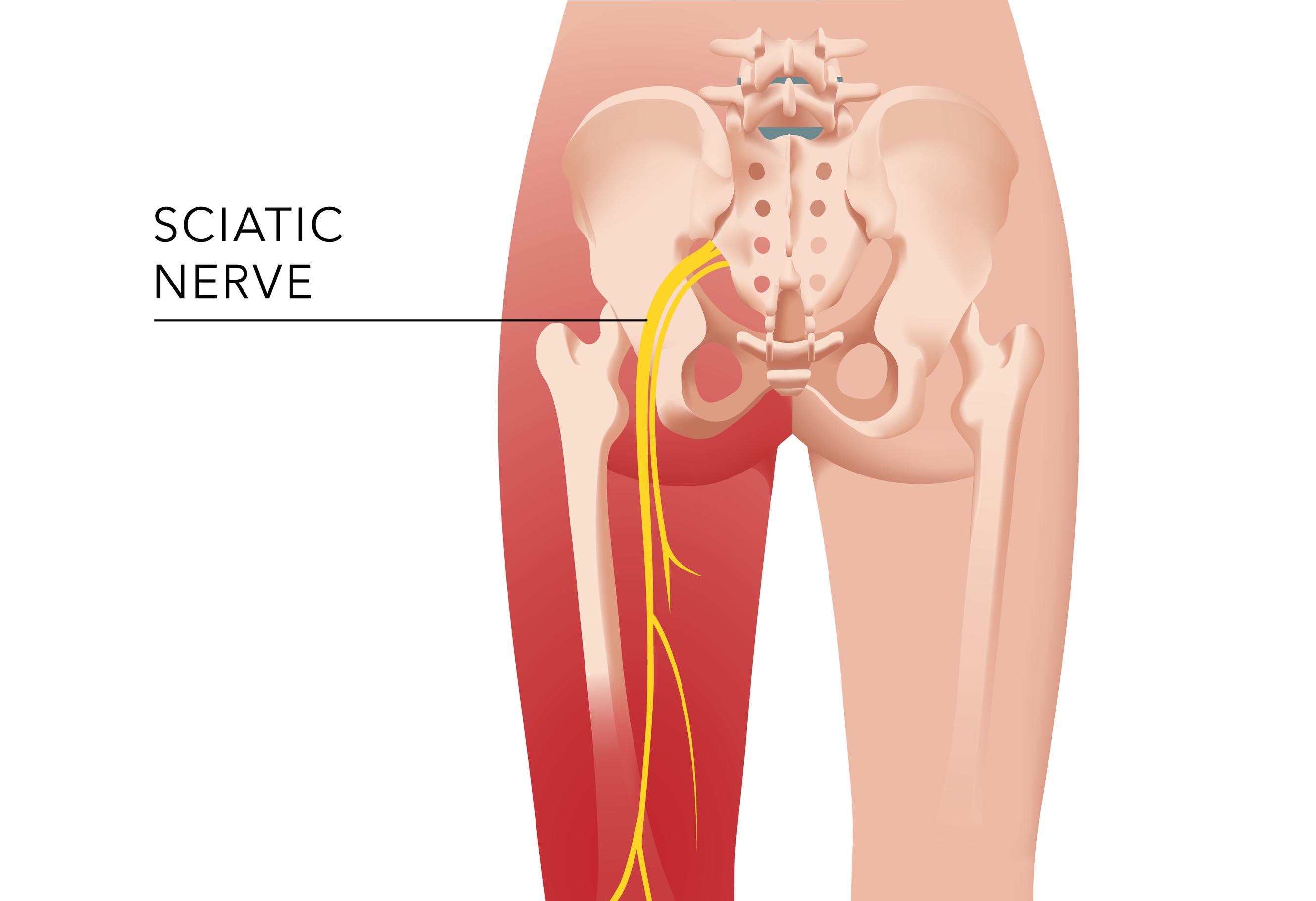
The nerve that suffers the most in these cases is your sciatic nerve.
A very common cause of leg pain in healthy people is putting pressure on the sciatic nerve by sitting still for long periods of time without additional movement like driving.
The sciatic nerve is the longest nerve in your body. It starts in your lower back, splits in two at the hips and runs down the back of your leg to your feet.
Prolonged pressure on the sciatic nerve is the number one cause of right leg pain while driving.
Common Symptoms of Right Leg Pain
The most common symptoms of right leg pain while driving are numbness, tingling or your foot falling asleep altogether.
Aches and stiffness are also extremely common with right leg pain from driving.
Knee pain and stiffness is definitely the worst, especially if it sticks around even after stretching and moving around.
Thankfully there are numerous ways to alleviate and prevent symptoms that will afflect your right leg while driving those long distances.
No need to dish out hundreds of dollars for expensive equipment or visiting specialty doctors.
8 Ways To Reduce Right Leg Pain, Sciatica, or Lower Back Pain
Great news! There are simple and inexpensive ways to help you deal with right leg pain while driving.
Simple ergonomic support can make a big difference—these easy-to-use additions help reduce leg pain and make driving far more comfortable.
Maintaining good posture while driving is your first line of defense against pain.
1. Take Breaks On the Road
Taking breaks during long road trips is another great method of reducing right leg pain while driving.
Sitting still for long periods restricts blood flow and stiffens muscles — especially in the right leg, which remains engaged for pedal control.
Try to stop every 60–90 minutes during long trips.
During breaks, step out of the vehicle, stretch, and walk around for at least 5 minutes to encourage circulation and muscle recovery.
2. Stretch Before You Drive
Think of it like warming up before a workout.
Pre-drive stretches prepare your hip flexors, hamstrings, and calves for the extended period of tension they’ll be under.
🧘 Try dynamic movements like leg swings, seated spinal twists, and knee-to-chest stretches to loosen tight areas and increase flexibility.
3. Stretch After You Drive
Post-drive stretching relieves the tension that builds during long periods of inactivity.
It helps reduce the risk of soreness, stiffness, and nerve compression.
✨ Focus on:
-
Pigeon pose or figure-4 stretches for hips
-
Standing quad stretches
-
Hamstring stretches for the back of the legs
This routine can reduce inflammation and prevent next-day discomfort.

4. Use a Back Support System
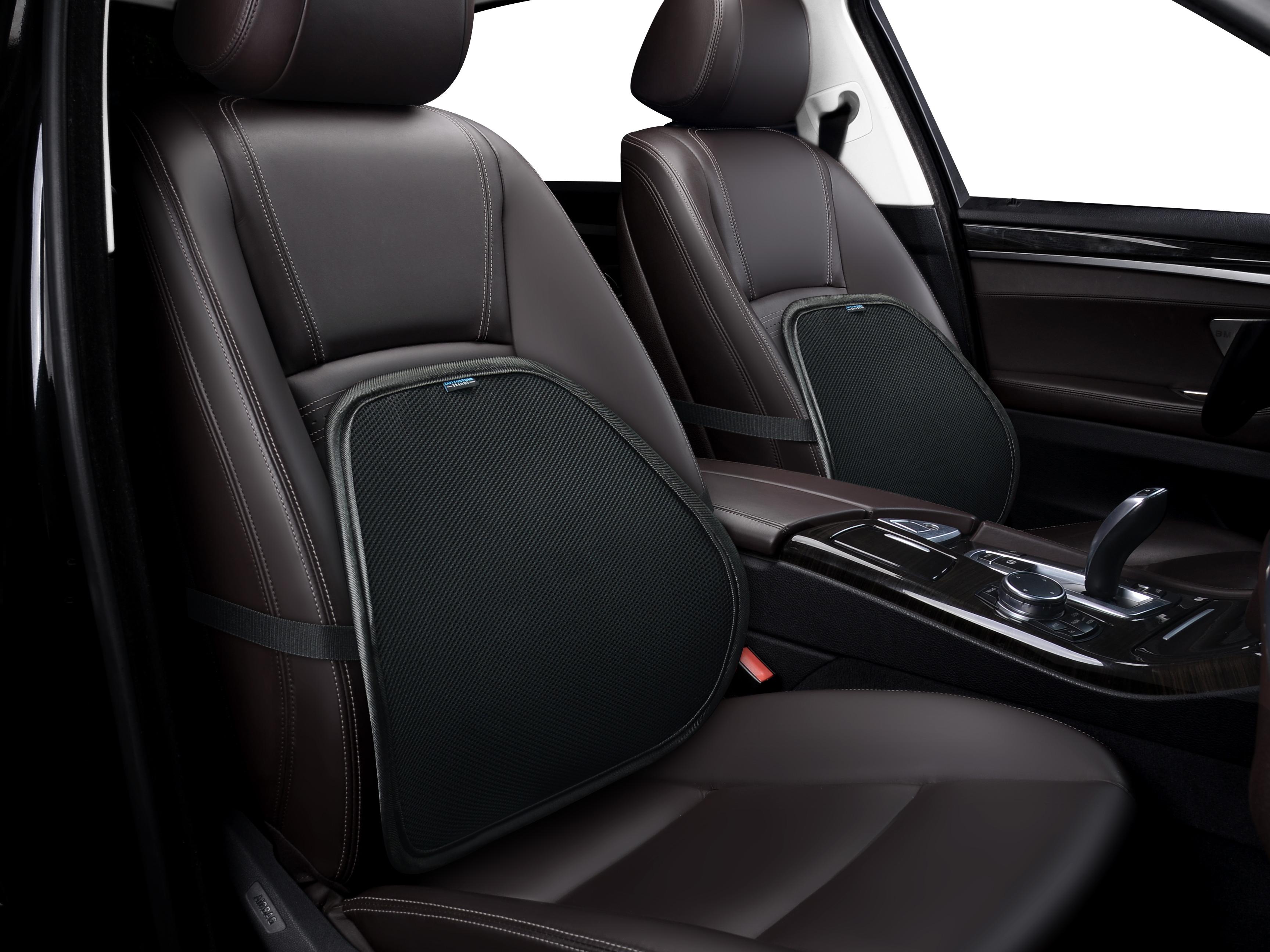
Adding a lumbar mesh support to your car seat encourages a neutral spine position.
This, in turn, decreases the load on your sciatic nerve and improves blood flow to your lower body.
🌬️ Choose a breathable model with adjustable straps to stay comfortable during warmer months.
5. Wear Comfortable, Non-Restrictive Clothing
Tight pants or belts can compress nerves and restrict circulation while seated. Instead, choose soft, stretchy fabrics that allow free movement and don’t dig into your waist or thighs.
👖 Athleisure wear, relaxed-fit jeans, or joggers are ideal for road trips and long commutes.
6. Apply Pain Relief Cream Before Driving
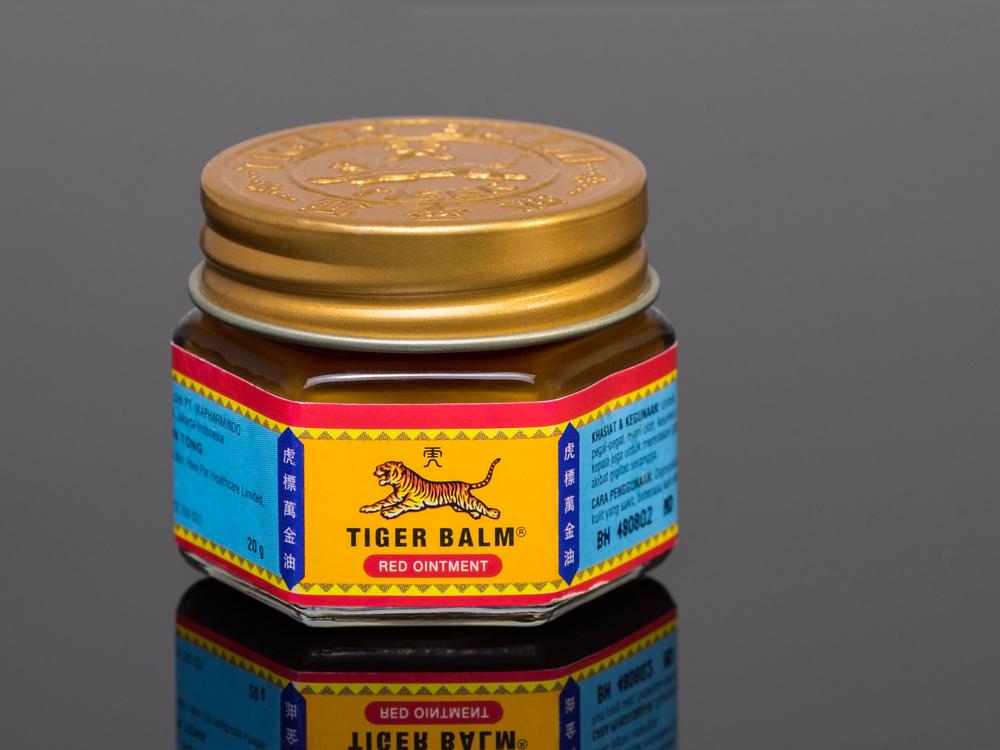
Topical creams like Tiger Balm, Biofreeze, or IcyHot can provide short-term relief from tightness or spasms in the thigh, calf, or lower back.
💡 Bonus tip: Apply the ointment 15–20 minutes before getting into the car so it has time to activate before muscle tension begins.
If the pain is persistent, consult a healthcare provider about oral NSAIDs like ibuprofen — but only use them as directed.
7. Hot & Cold Therapy
Alternate Between Heat and Cold Therapy.
The use of a warm and cold compress is one of the most readily available and effective treatments for pain.
-
Heat therapy (heating pad or warm towel) relaxes muscles and improves circulation. Ideal before driving.
-
Cold therapy (gel ice packs) reduces inflammation and numbs sharp pain. Great for post-drive recovery.
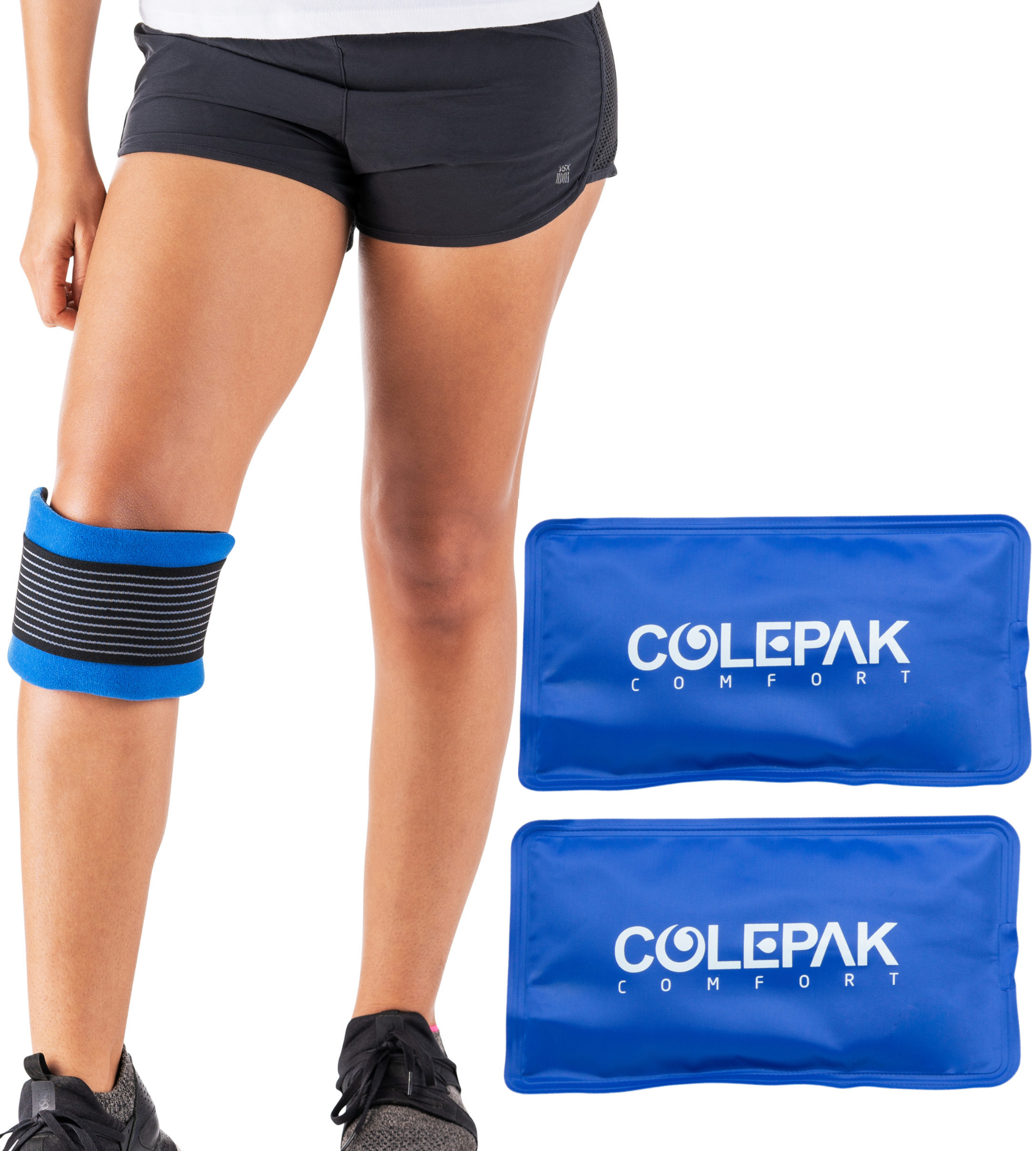
🧊 Pro Tip: Keep a portable heat wrap or reusable ice pack in your car to use on breaks when needed.
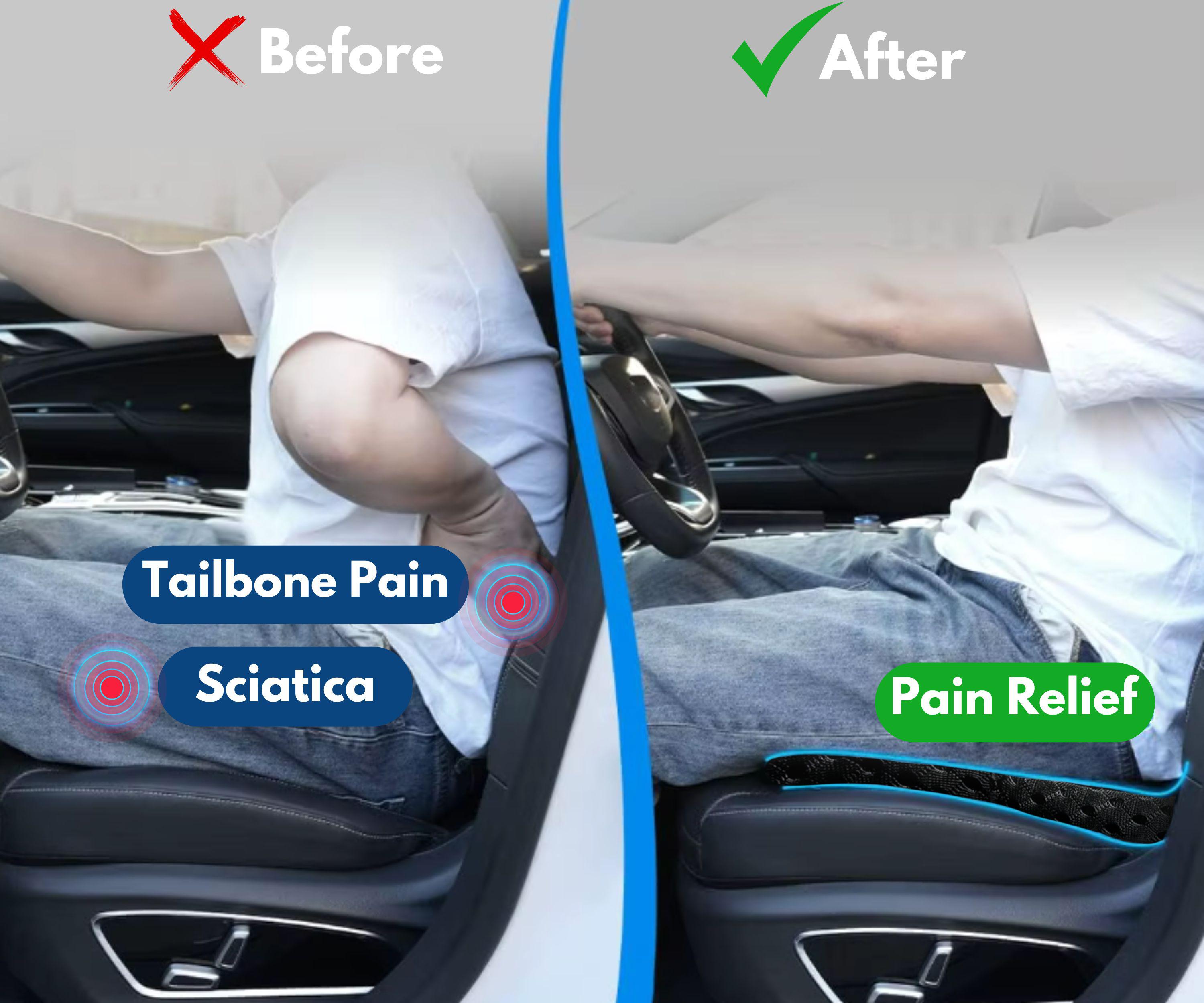
8. Use a Pressure Relief Wedge Cushion
These cushions aren't just about softness; they are engineered to solve the fundamental ergonomic problems of a car seat—poor pelvic alignment and tailbone pressure.
A high-quality cushion uses two key design features to attack right leg and sciatic pain at the source:
The Power of the Wedge Tilt
Unlike standard pillows or rolled towels, a proper wedge cushion is designed to tilt your pelvis forward just a few degrees.
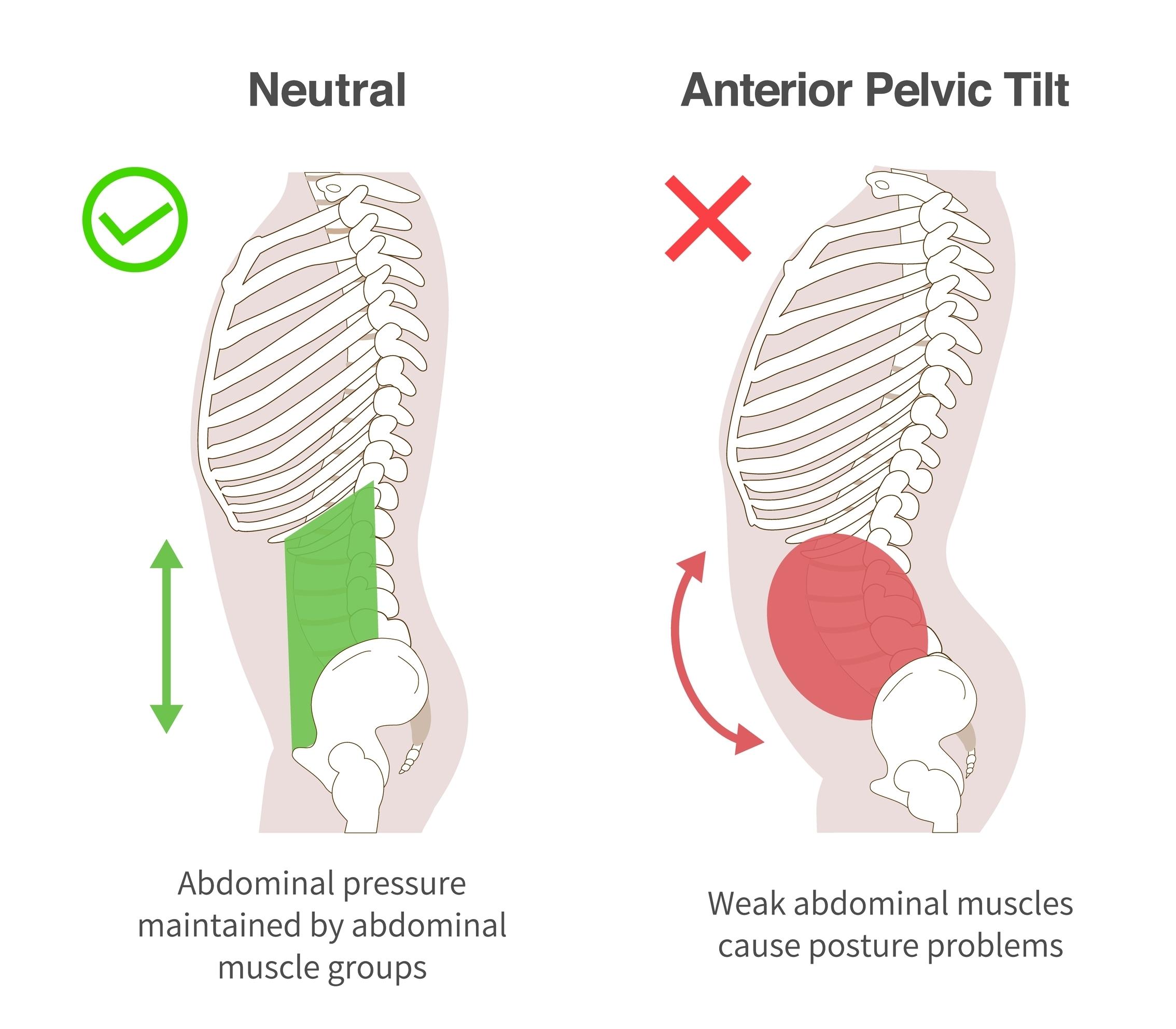
This simple adjustment is transformative because it:
-
Restores Neutral Spine: It immediately puts your spine in its natural S-curve (a neutral position).
This instantly relieves the strain on your lower back muscles and forces better, upright posture.
-
Decompresses the Sciatic Nerve: By preventing your pelvis from slumping backward, the wedge tilt reduces the compression and pinching on the roots of your sciatic nerve in your lower spine.
This prevents the numbness, tingling, and pain that radiates down your right leg while driving.
The Critical U-Shape Cutout
Most car seats force your weight directly onto your tailbone (coccyx) and the sensitive structures surrounding it, which exacerbates pressure on the lower spinal nerves.
The best seat cushions feature a U-shaped or contoured cutout at the rear.
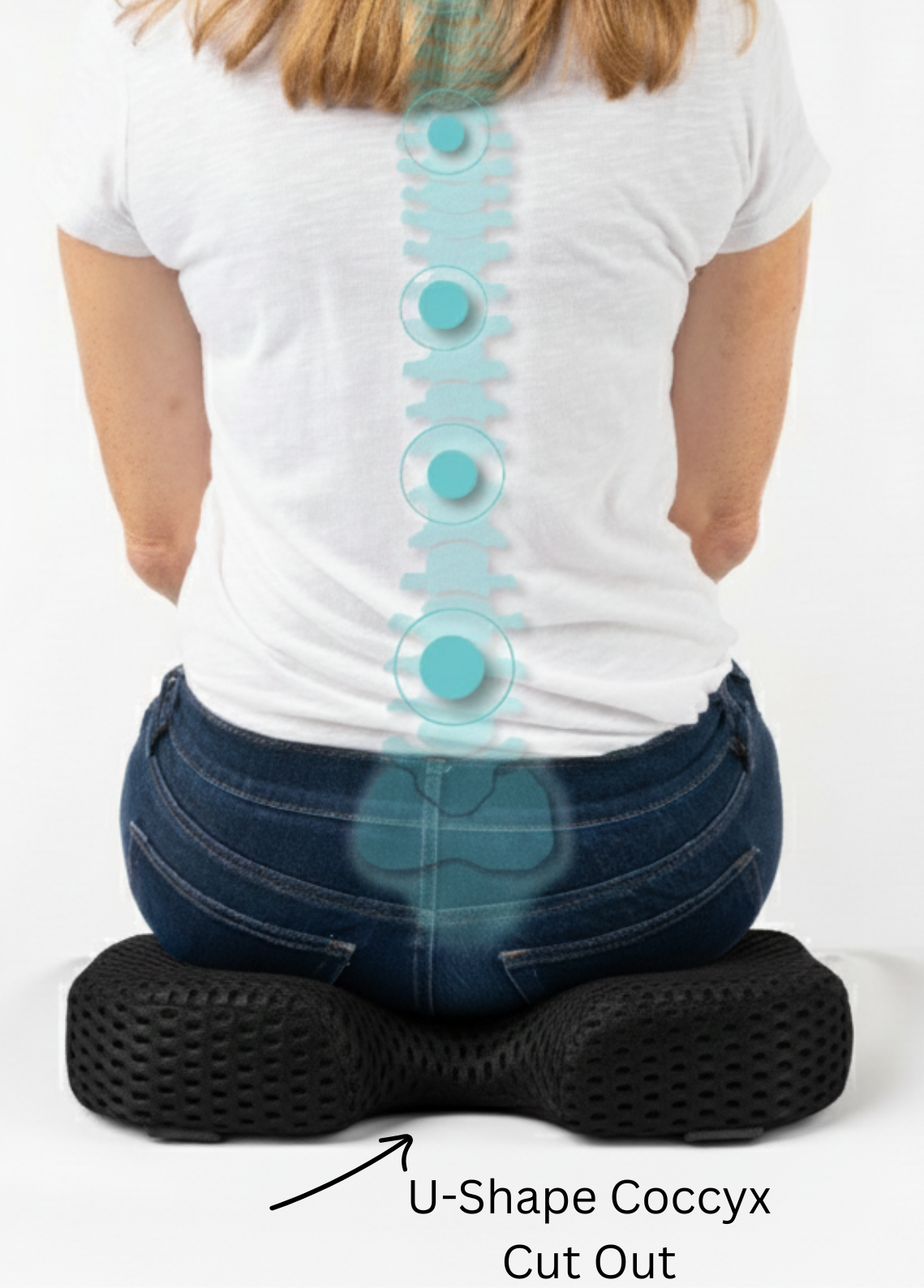
This design is crucial because:
-
Zero-Pressure Zone: It creates a small gap directly underneath your coccyx and lower spine, ensuring no pressure is placed on the most sensitive, painful area when you sit.
-
Direct Pain Relief: By suspending your tailbone above the seat surface, this feature directly relieves localized pressure, which is often the primary trigger for lower back and sciatic pain during long drives.
Pressure relief wedge cushions are a great option as they are very comfortable and soft, but will still provide the necessary support your hips need for those long driving sessions.
When the spine is in this more natural alignment and the coccyx is suspended, it prevents the nerve compression that often leads to leg pain and numbness.
By preventing sciatic nerve compression in your legs, you can finally sit for longer periods of time, transforming those cross-country trips or rush-hour traffic jams from dreaded events into comfortable rides.
Stop Driving in Pain. Start Living Actively.
You now understand the root causes of right leg and sciatic pain while driving.
You have the knowledge—and you know the structural solution.
The ComfiLumba Car Seat Cushion is engineered specifically to end the cycle of pain by properly aligning the hips and taking pressure off the coccyx, allowing you to drive, travel, and live without constant discomfort.
Don't let another road trip be ruined by stiffness and aches.
Claim the driving comfort you deserve now!
Learn How to Sit Pain-Free Below

AMAZON AFFILIATE INFORMATION:
We, Easy Posture Brands, are a participant in the Amazon Services LLC Associates Program, an affiliate advertising program designed to provide a means for us to earn fees by linking to Amazon.com and affiliated sites.